

Intergenerational communication is one of the most crucial factors in creating productive, innovative workplaces. Organizations today often have team members who span four or even five generations, each bringing unique experiences, assumptions, and preferences into everyday interactions. Leaders committed to fostering intergenerational communication understand that mutual respect and shared understanding don’t happen by accident. They’re cultivated through intentional conversations and structured opportunities for connection.
Successful dialogue across generations contributes to smoother operations and effective leadership and management. When employees openly discuss how they prefer to receive feedback, collaborate, and exchange ideas, barriers to communication fall, and trust grows. A well-run generational workshop offers precisely this chance for open dialogue.
Planning these sessions requires far more than casual conversation. Leaders must create safe spaces, provide engaging activities, and ensure discussions remain productive and inclusive. Such efforts are essential for building a resilient organizational culture that can weather change and seize new opportunities.
The Role of Workshops in Intergenerational Communication
Workshops serve as an effective platform for surfacing different communication styles and bridging potential divides. They’re also a powerful tool for helping emerging leaders develop their skills in facilitation and team building.

A well-designed agenda enables participants to practice vulnerability while exploring topics such as workplace values, digital communication habits, and attitudes toward hierarchy and feedback. Leaders who embrace these conversations demonstrate courage and commitment to long-term team cohesion, which are all true signs of successful leadership.
Designing Effective Workshop Agendas
When planning a session focused on intergenerational communication, clarity and structure are vital. A productive workshop typically begins with a warm, non-threatening activity to break down initial barriers. Icebreakers designed around simple topics, such as favorite technologies growing up, or memorable first jobs, spark laughter and reveal fascinating differences and commonalities.
Such activities remind participants that, while differences exist, there’s also a great deal of shared human experience. This recognition helps create cohesive teams with strong leadership, turning initial skepticism into curiosity and connection.
Moving deeper into the agenda, effective workshops include exercises that ask participants to share their preferred communication styles and frustrations. One useful approach is having individuals rank communication channels, from instant messaging to formal reports, in terms of how comfortable and effective they find each one. These rankings can then open discussions about how diverse preferences might influence project work, decision-making, and collaboration.
Powerful Icebreakers for Intergenerational Communication
Icebreakers play a vital role in workshops centered on intergenerational communication. They reduce tension, encourage participation, and help team members see one another as individuals rather than stereotypes defined by age.
Consider activities such as storytelling, where each participant shares a pivotal career lesson learned from someone older or younger than themselves. This method highlights how diverse skills help teams succeed, revealing that wisdom flows in both directions.
Another engaging idea involves generational trivia, exploring cultural touchpoints such as music, movies, and inventions that shaped each cohort. Such moments can spark both humor and empathy, essential for deeper dialogue.
Turning Dialogue Into Action
Dialogue alone isn’t enough. Effective workshops ensure participants leave with practical takeaways and clear next steps. Leaders should encourage teams to co-create communication agreements that reflect the group’s diverse needs and preferences.
For instance, teams might decide on expectations around email response times, when to use messaging apps, or how often to meet in person. Such agreements reduce friction and reflect one of the keys to effective strategic management: translating insights into concrete behaviors.
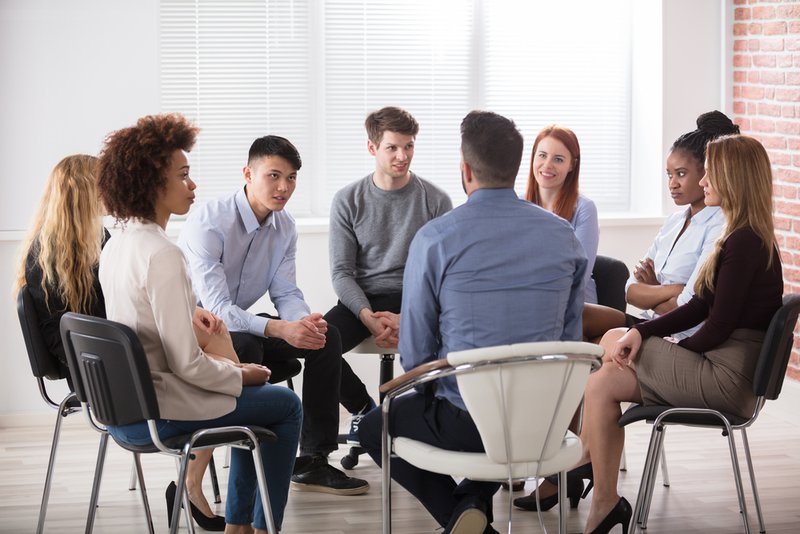
It’s also essential for leaders to check in after the session, reinforcing commitments and exploring whether further conversations are needed. This ongoing attention reflects leaders’ willingness to navigate organizational change with strategic leadership rather than allowing discomfort or misunderstandings to fester.
Building Culture Through Workshops
Generational dialogue workshops are about more than resolving conflict—they’re about shaping culture. These sessions give teams permission to discuss hidden tensions and explore how to transform constraints into opportunities.
They also provide a safe testing ground for emerging leaders to step into facilitation roles, deepening skills that will serve them and their organizations for years to come. Such experiences are crucial for helping senior and mid-level leaders develop professionally, preparing them to guide teams with confidence and empathy.
Moreover, workshops help organizations help leaders determine how intensely their employees are engaged in their work and their organization. The level of participation and candor in these sessions offers valuable clues about morale, trust, and the quality of relationships across generations.
Ultimately, these dialogues contribute to merging culture, accountability, and decision-making into a unified force, aligning teams around shared goals and mutual respect.
Why Intergenerational Communication Workshops Matter
Generational diversity is one of the workplace’s richest sources of creativity, but it can also create friction if left unaddressed. Structured workshops designed to improve intergenerational communication turn potential conflict into understanding, collaboration, and innovation.
Organizations that embrace these conversations position themselves to thrive in complex, rapidly changing markets. They also signal that every voice matters, regardless of age or tenure.
At GSSI, we help organizations design meaningful and effective workshops that transform intergenerational dynamics into a strategic advantage. Let’s explore how you can build stronger connections across your teams. Contact us today to discuss your business goals.
