

Strategic leadership is being redefined in real time. Forces like technological acceleration, social expectations, and shifting workforce norms are pushing leadership far beyond traditional models. Today, strategic leaders must do more than set goals and oversee operations. They must develop a vision for their organizations that’s as adaptive as it is ambitious—one that speaks to both performance and purpose.
The rising complexity of organizational life demands fresh approaches to leadership. From AI integration and remote collaboration to ESG accountability and generational change, the landscape requires a new kind of leader: one who can think systemically, act with empathy, and adapt on the fly. That is the new baseline for strategic leadership and management.
What’s emerging isn’t just a collection of trends, but a transformation in how leadership itself is defined and demonstrated.
New Forces Reshaping Strategic Leadership
Artificial intelligence and advanced analytics are no longer future concerns—they are current realities. Strategic leaders must become fluent in data, not necessarily to code or engineer, but to ask better questions, make smarter decisions, and align teams around what the numbers reveal. Looking at problems in a new and unique way often begins with understanding what your data is honestly telling you.
At the same time, the rise of hybrid and remote work has upended traditional office dynamics. Culture, once shaped by in-person rituals and routines, now has to be intentionally crafted across screens and time zones. Leaders must excel at building a healthy culture in a virtual environment, where connection and clarity don’t happen by accident.

Additionally, expectations around talent acquisition, effective teamwork, and merit-based reward and recognition are no longer optional—they are table stakes. Leaders who ignore these priorities risk alienating top talent and misreading what their stakeholders truly value. The role of leadership in navigating change now encompasses how effectively an organization cultivates a high-performing culture founded on fairness, collaboration, and accountability.
From Control to Influence: A Shift in Leadership Models
The command-and-control leadership style of the past is losing ground to influence-driven models rooted in trust, transparency, and shared purpose. In strategic leadership, aspiring leaders are increasingly being asked to inspire, not instruct; to coach, not command. Influence requires emotional intelligence, contextual thinking, and the humility to admit when you don’t have all the answers.
This shift also reflects the distribution of power in modern organizations. With flatter structures and cross-functional teams, leaders no longer control every lever—they guide the system. That means merging culture, accountability, and decision-making in ways that encourage ownership at every level.
Strategic influence is not about stepping back; it’s about stepping differently—focusing more on alignment than authority. And in a world that prizes agility, that may be the biggest differentiator between those who adapt and those who get left behind.
Generational Expectations and Social Impact of Strategic Leadership
Younger generations entering the workforce are demanding more than just compensation and career growth. They want authenticity, flexibility, and a clear social conscience from their employers. This generational influence is forcing organizations to think deeply about how they lead.
Strategic leaders now face the challenge of translating big-picture goals into emotionally resonant missions. It’s not enough to chase quarterly metrics. Leaders must articulate why the work matters and demonstrate that success includes a social dimension.
In this context, balancing individual strengths for collective success becomes a guiding principle. Teams are more diverse than ever in identity, values, and experience. Leaders who know how to harness this variety and channel it toward a shared goal will stand apart.
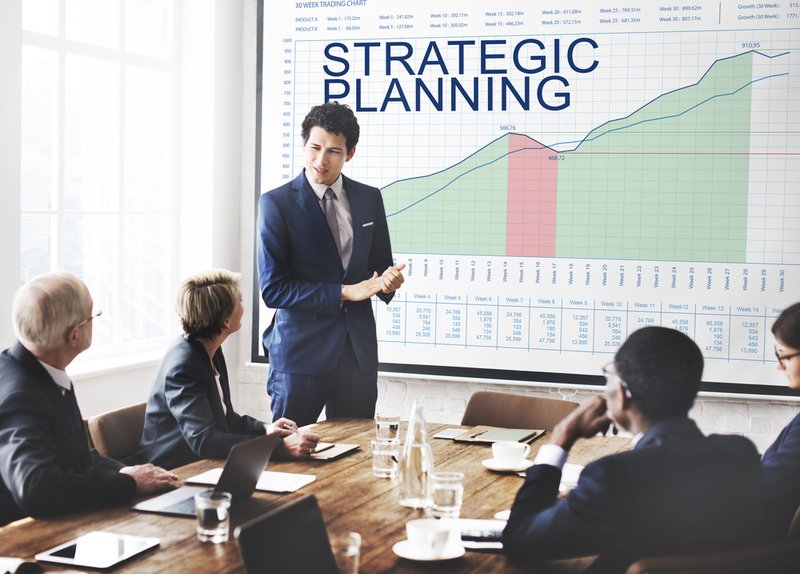
Evolving the Strategic Leader’s Toolkit
To meet these new demands, strategic leaders must cultivate a broader set of skills. Agility is no longer optional. Neither is data literacy nor emotional intelligence. The next generation of leaders must be able to pivot quickly, interpret complexity, and lead with both head and heart.
Strategic thinking must be matched with operational discipline, and big ideas must be grounded in everyday behavior. There is no room for bad business habits that lead to failure, such as avoiding feedback or relying too heavily on outdated models. Leaders must be willing to rethink, recalibrate, and reengage in response to a changing environment.
Organizations committed to long-term success should provide a clear roadmap for developing leadership skills that address these evolving needs. Because in the end, leadership is not static—it’s a living practice.
How GSSI Is Supporting the Next Generation of Strategic Leaders
At GSSI, we see these changes not as challenges, but as opportunities. That’s why we’re evolving our leadership programs to meet the demands of the decade ahead. We offer strategic leadership and management services that help leaders clarify strategies and align systems for measurable success.
We work with clients to help senior and mid-level leaders develop both personally and professionally, not just in technical skills, but also in how they lead themselves and others. Our programs emphasize agility, clarity, and cohesion—qualities every leader will need to thrive in what’s next.
Whether you’re seeking to refine your executive presence, build high-performing teams, or lead through complexity, our approach is grounded in strategic insight and real-world application. We offer executive coaching, human capital solutions, and culture alignment strategies that go beyond theory to create tangible outcomes.
Let’s schedule a call to discuss your business goals. Contact us today.
